Pages

Monday, July 07, 2008

Memphis Ribs by Gerald Duff

If you're looking for a book to read, what could be better than a barbecue novel? Memphis Ribs is a full-fledged mystery novel with police detectives, murder, and bbq. Sounds very interesting.

I started working on a novel about bbq a few years ago. I've written 19,200 words, but at this point I'm not sure if I'll ever pick it back up and finish the story. Here's the main thesis of the story:

With his import company losing money, an Orlando businessman embarks on a quest to capitalize on the rising popularity of competitive barbecue contests and turn them into America’s new favorite past-time. A chance meeting with a backwoods Georgia redneck threatens to ruin everything he’s worked for.

Sunday, July 06, 2008

Future of BBQ Contests

I don't have a Magic 8 ball, or even a crystal ball, but I think I can safely predict that competition barbecue as we've known it for the past 10-years or so, is in the process of changing significantly. Until barbecue contest organizers and sanctioning bodies find a reliable way to incorporate public participation into the events, I think the sport is on shaky ground. We don't have to agree with it and we don't have to like it, but I think the popularity of the Championship Barbecue Series on Versus has offered a glimpse into the future of cooking barbecue for sport.

I can't imagine that my experiences are different than anyone elses, so I'll discuss my own competition efforts as an example to explain why I feel this way.

In 2003 through mid-2005 combined, Linda and I spent nearly $10,000 of own money on barbecue contests, equipment, and part-time business investments. During that time we earned approximately $3,000 in prize money to offset those expenses.

For a typical FBA or KCBS sanctioned ompetition that we attended during 2003 through 2005 our expenses included the following:

--Entry fees $300
--Meats $120
--Supplies $30
--Gasoline $50
--Food $20

Our "pay back" or "earnings" during that time included several category wins in chicken and brisket, which typically represented $300 -$400. For events where we won a category or placed in the top three in a couple of different categories, we were on a break even basis. At one event we placed top five in all four categories and won Reserve Grand Champion, but our total earnings were only $550.

It's now 2008 and our expenses for gasoline and meats have risen significantly. Gasoline prices have doubled and meat prices have risen by at least 50%. So even with a category win, we're in the hole before we even start.

What choices do contest cooks have to combat rising expenses? For most contest cooks, starting a bbq business aimed at capitalizing on bbq contest participation seems viable. The basic choices are as follows:

--Start selling bbq rub
--Start selling bbq sauce
--Start a bbq vending / concession business
--Start a bbq catering service
--Start a barbecue website
--Pursue corporate sponsorship

On the surface, each of those ideas sounded promising to us. They certainly sound simple enough. How hard could it be?

We found a co-packer and started selling our bbq spice rubs at contests and to family and friends. If you're thinking of taking a similar approach, plan to spend at least $850 in start-up expenses, add another $300 or $400 if you want professionally printed labels for your bottles. To earn back the start-up costs, plan on selling at least 1,000 bottles of rub in 10 oz. bottles (600 if you decide to start with a larger 13 oz. bottle).

It would be much easier to sell bbq sauce in these volumes, but the start-up expenses are about 400% greater, so increase the sales to 4,000 small bottles (or 2,400 big bottles). After a little research with the health department and state regulators, we crossed bbq vending, concessions, and catering off the list quickly. The start-up expenses to comply with the legal requirements are nearly $20,000, plus rent on a commissary facility to store supplies and prepare foods.

I started two barbecue websites that do generate a small amount of revenue, but not nearly enough to support the cost of contests. If you have technical expertise, this might a viable alternative for you, but based on my "seat of the pants" knowledge level, it's not been the answer to our expense issues.

Which leaves one more option -- corporate sponsorship. I haven't put any efforts into obtaining a corporate sponsor for our bbq team and as difficult as it sounds, it is probably the best option on this list. And that brings us back to the lack of spectator involvement in the events. Without large numbers of spectators at bbq contests (I'm talking thousands), the corporate sponsorship is going to be hard to come by.

Versus found a way to package bbq contests into short snippets of time to hold an audience. Holding an audience generates corporate sponsorship, which in turn makes bbq contests more profitable. But, it's not practical for fifty or sixty teams to compete on a television program like the Barbecue Championship Series. That program succeeded more because if focused on a few teams. So where does that leave the other 3,955 + teams that compete in bbq contests?

If barbecue contests are to survive in their present form, it's up to the contest organizers and sanctioning bodies to find new and exciting ways to involve the public more directly into the tradional bbq contests.

Start a Catering Business

Saturday, July 05, 2008

Barbecue Blogging

I am taking some time this weekend to update my bbq blog. If you have anything in particular you would like to see featured here in the coming weeks. Feel free to drop me an e-mail.

Later today I'm going to cook some pork loin.

Backyard BBQ St. Louis Ribs

Final results

Honey makes everything taste better


Adding a little hickory wood

Ribs going on the WSM


Trimming the flap off the St. Louis ribs


Start a Catering Business

Thermopen fast reading food thermometer


In most cases, you get what you pay for. The Thermopen food thermometer is no different. If you've ever grown impatient waiting for your economy digital thermometer to register a final temperature while the temperature in your barbecue smoker heads south, then you need to investigate the advantages of a professional food thermometer from Thermopen. Here's a list of features from the Thermoworks.com website:

--Read temperature in less than 4 seconds!
--Fold away probe protects from breakage.
--Wide range covers -58°F to 572°F.
--Accuracy meets USDA guidelines in the food range.
--Includes certificate with actual test data to prove your unit’s accuracy.
--Big easy-to-read digits are far easier to read than other pocket thermometers.

And perhaps most important for us bbq folks there's very minimal loss of moisture from piercing the meat to take an internal reading.

"The reduced-diameter needle tip of the Super-Fast model only requires about 1/8” immersion so you can take the temperature of even thin burger patties. And, you’ll only leave a tiny, self-closing hole in your steak instead of the gaping “juice-drain” left by “digital BBQ forks” or the old dial-type meat thermometers." (source ThermoWorks website).

For a lot of people, it's hard to overcome the price on these quality units, but in the end I think you agree they're worth it if you do a lot of cooking.

Wednesday, July 02, 2008

July Fourth Menu Ideas

Linda has been reading Dr. BBQ’s Big-Time Barbecue Cookbook again. When I arrived home today, I found the book sitting near my laptop computer. She's planned our menu and even made a trip to the grocery store for supplies and ingredients. I'm sure lucky, aren't I?

Here's our menu for Independence Day:

-Backyard Championship Ribs
-Whole Smoked Cabbage
-Bonesmoker Potatoes
-Sibbie’s Baked Beans (Family Recipe)

There are some items on tap that are not traditional bbq foods, but every once in a while I like to spread my barbecue wings a little. Two of these items will be first timers for me.

We'll post some pictures on July 4th so you can see how it all turns out.

What is one your weekend menu?


Free Clipart or Photos

Monday, June 30, 2008

The Bigger the Better, Right?

I pondered the answer to this question while watching a neighbor cooking on a small kettle bbq grill this weekend. The grill was a very generic "BBQ Pro" and measured no more than 18 inches in diameter. Did the size of the kettle grill make the bbq automatically inferior to 'que cooked on bigger grills? To borrow a phrase from my 14-year old niece -- NOT.

When we started competing in BBQ competitions using our small Backwoods Party and Weber Smokey Mountain, we dreamed of purchasing a bigger cooker and custom built trailer. We talked constantly of what we could do with a little extra money. Then we bought the big red cooker. We bought it before we even had a way to carry it to competitions. How smart was that? But it was big and we were going large.

Then we purchased a bbq trailer to haul our equipment to contests. Somehow the planned flat bed single-axle 10 foot trailer constructed of expanded metal became an enclosed tandem axle 16 foot trailer with an RV door, catering window, insulation, lights, electric, and a three compartment sink. We were living in Michigan and at that time Michigan had only 2 bbq contests, but we reached our goal of going big and we continued thinking big. Once we had the trailer, we needed a bigger truck to tow it with, and it was inevitable that we now needed an even bigger cooker.

Here it is two years later and gas prices have doubled. We often talk about how well we actually cooked when we were traveling like modern day hillbillies in the short-bed Ford F-150. We’d like to start competing again, since we’ve moved back to Florida, but we need to find a more economical way to travel. The big trailer has now been sold, so the big red cooker won’t be traveling with us to future competitions.

Recently we realized that the WSM is the best cooker we’ve ever owned for the money. For the money invested, we have won more prize money with cheap equipment than with the larger ones.

Bigger isn’t always better after all.

Saturday, June 28, 2008

Caldera Tall Boy Smoker

BBQTV has several nice bbq videos posted on You Tube. There's a nice video of Rib Ranger preparing chicken and a some from the Jack Daniels cook-off among others. There's even one for the Caldera Tall Boy from the BBQ Guru folks.

Weber Smokey Mountain Video

For anyone reading the bbq blog that hasn't had the opportunity to see a WSM in action, I found the next best thing -- a video. It's not exactly step-by-step how I use mine, but it covers the basics and will get you started cooking with your WSM.


Start a Catering Business

BBQ Trailer

I appreciate all of you that inquired about the bbq trailer we had for sale. It went home with its' new owners today. So if you're at a bbq contest in Michigan (or Canada) and you see a Doolittle trailer that looks familar, don't be surprised. It might be ours.

Saturday, June 21, 2008

BBQ Smoker Buyer's Guide

I've put together some links to bbq smoker trailer manufacturer's below. I don't own any of these units listed and don't endorse a particular manufacturer over another one, but I thought it might be nice to list links to all these manufacturer's in one place.

Cookers and grills This manufacturer from Union Point, Georgia has designed some nice looking smoker trailers that incorporates reverse flow design.

Lang I cooked with a Lang Model 84 several times with another competition team when I was just getting started. It's a popular offset for a reasonable price and it will cook large quantities of bbq. They're now building a twin Model 108 for those that need to cook massive amounts of 'que.

Peoria Custom Cookers They make them big, small and every size in between. From backyard to professional, they've got a cooker for almost every cook. Take a look at their Meat Monster cooker. It packs a lot of nice features in a small package.

Thursday, June 12, 2008

Cooking Pork Butts in the Weber Smokey Mountain


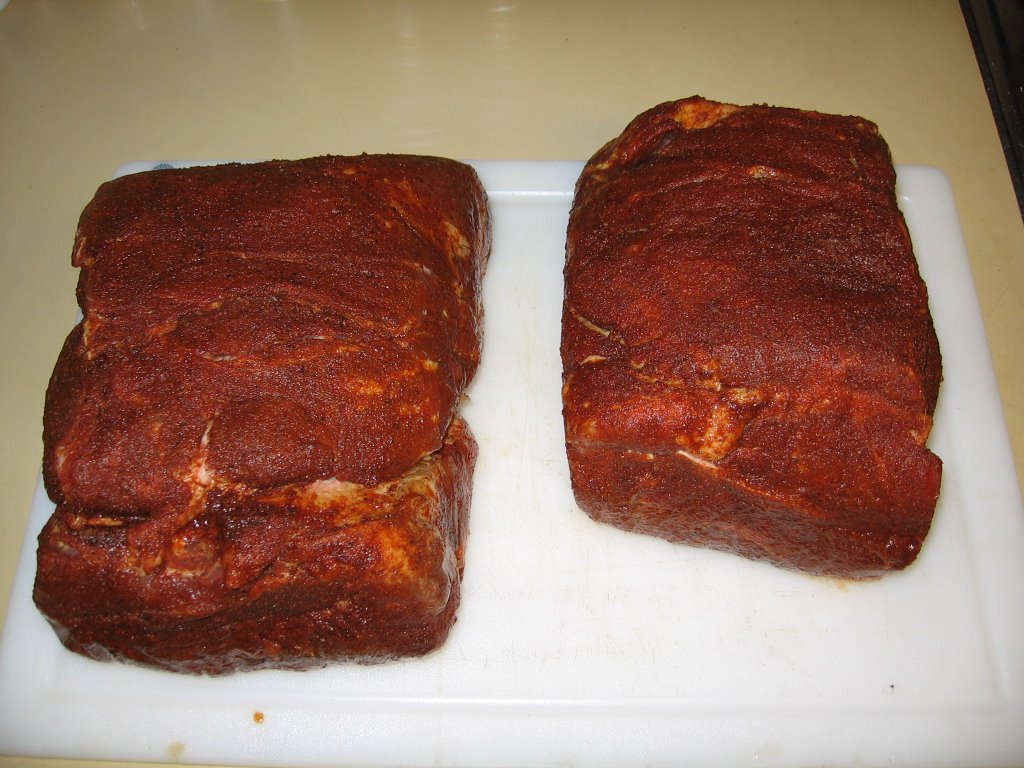
These pork butts were larger than the 6 lbs I prefer, but it's all Sam's had available. I injected, seasoned with spice rub and let them marinade in the refrigerator overinight.


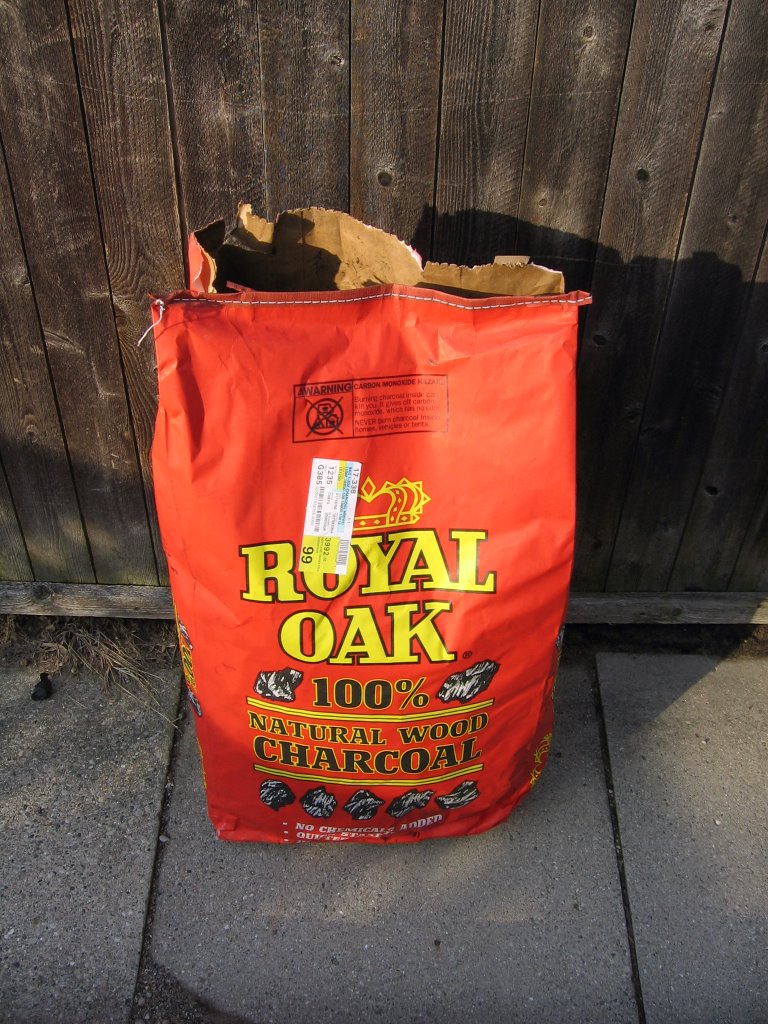
I use lump charcoal when it's available. It's a better quality charcoal that burns cleaner, hotter and with less ash than briquettes. This bag of Royal Oak was purchased from Gordon Food Service and cost me $9.55 for 20 lbs. For comparison, 40 lbs of Kingsford briquettes costs about $11.35 at Sam's, but in this case....you get what you pay for.


I never use lighter fluid when starting charcoal. The lighter fluid can leave a bad taste on food. I prefer a charcoal chimney and a fire starter stick. You can use newspaper, but the starter sticks work better for me.


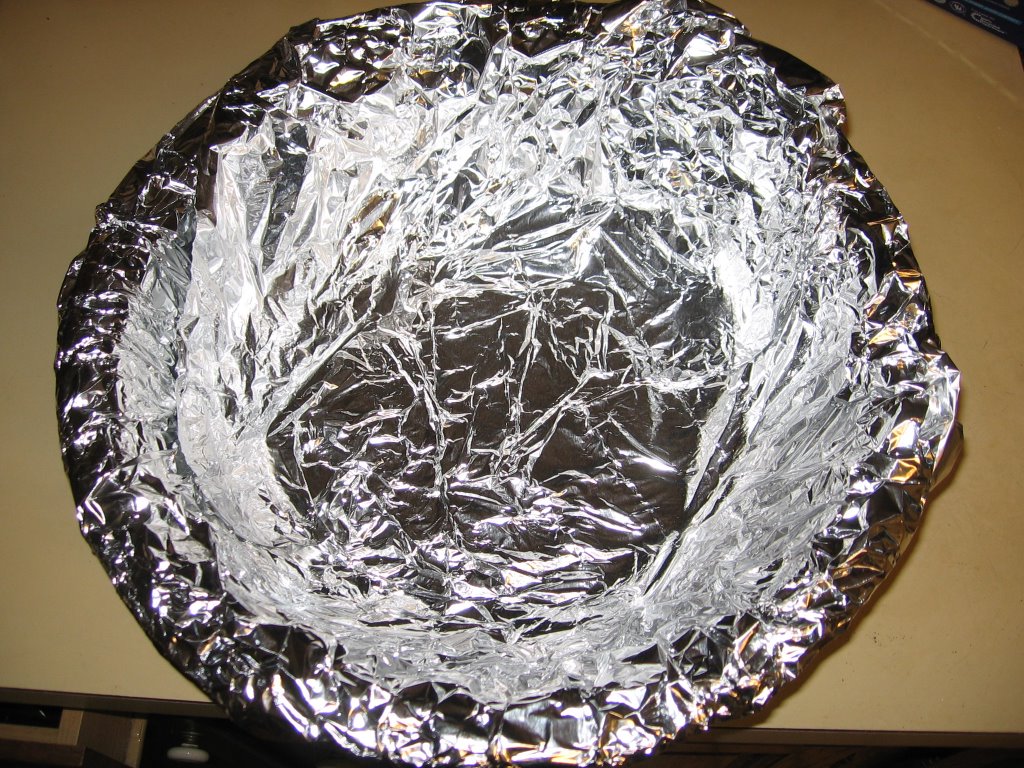
I line the water pan on the WSM with aluminum foil to make clean-up a little easier. You don't have to line the pan, but if you don't it gets pretty greasy from the pork fat melting as the pork butts cook.


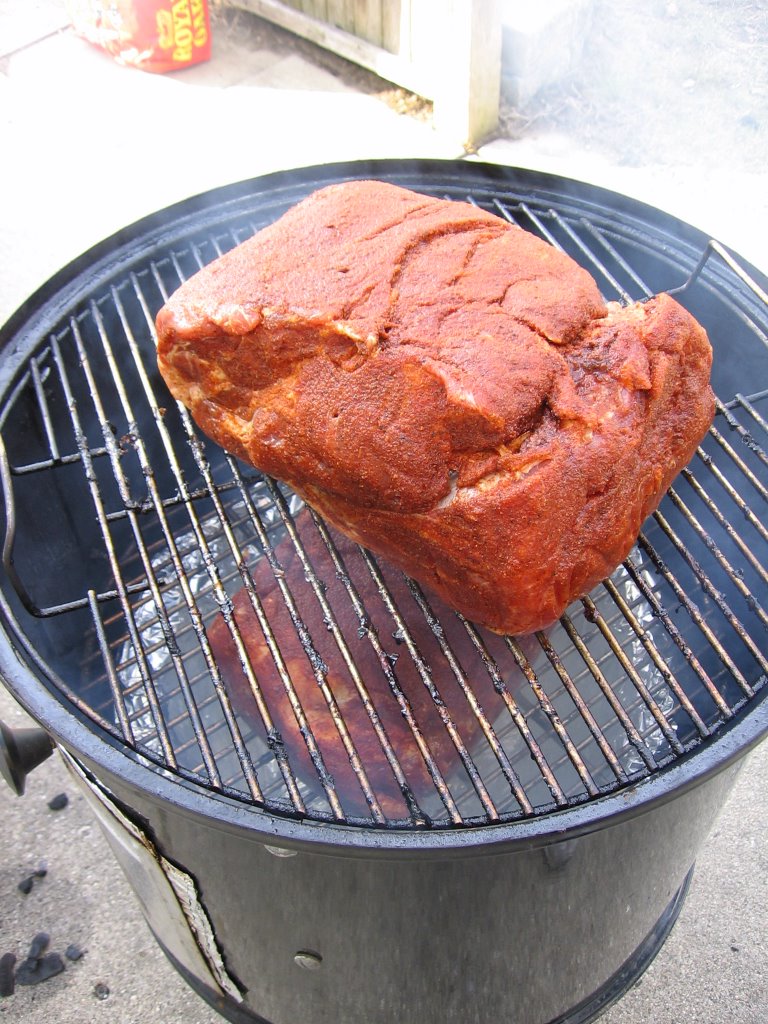
I put the butts on at 10:30 a.m. and will rotate them top to bottom after about 4 1/2 - 5 hours. I also wrap them in aluminum foil at that point. It keeps the moisture in and seems to help prevent oversmoking the meat. It also speeds up the cooking process.

Starting a BBQ Rub Business

Since I've been marketing bbq rubs online for several years, I'm sometimes asked for information about how it's done and how to get started.

Like many bbq enthusiasts that start competing extensively, I began searching for various opportunities to earn back some expenses. I'd seen several of my friends start selling bbq rubs at contests and it seemed like a good business opportunity to promote at TheBBQGuy.com .

I started with a Google search, and it just grew from there. First I found a co-packer that would sell in smaller quantities and then I learned about labeling regulations. (You generally have to buy in quantities of 15 cases or more for an initial order size.)

I started selling a 13 oz bottle and it's still the more requested size. Due to changes by my co-packer, I am now only able to offer my rub in 8 oz bottles. I've also discovered that the bigger the bottle the more profitable it is. The difference in the cost of goods is not that great, but the profit margins are considerably different. I've also learned that BBQ enthusiasts prefer to buy in bigger quantities. Hobbyists and those just starting to learn low and slow cooking seem to want to purchase the smaller bottles.

So, therein lies the predicament in starting a bbq rub business. What you want to sell isn't what most people want to buy. And as I learned in business school....that's why they call it marketing.

But perhaps most of all, I've learned that plain old word of mouth is still the most effective method for bbq rubs when you're just starting out. Friends, family, and neighbors are loyal customers who will keep coming back for more. As with any new venture it's always nice to get some regular customers when you're starting out.

Saturday, June 07, 2008

Learn to make pulled pork bbq

Who says you can't cook a pork butt on a kettle grill? You definitely can. However, it takes patience to learn good fire control techniques.

1. Start with a charcoal chimney full of burning briquettes (I prefer Royal Oak).

2. Place in kettle grill, banked to one side, and put the lid on.

3. Monitor temperatures in the kettle grill using a meat thermometer through the top vent.

4. Every thirty minutes, add an additional 10-12 briquettes to maintain a consistent temperature of 250 - 275 degrees (less if you can). Try to keep the lid closed as much as possible. Add more or less charcoal to maintain temperature.

5. Place a pork butt on the grate of the grill, fat side down, on the opposite side of the burning briquettes. I like to pre-season the butt with bbq rub the night before and let it sit in the refrigerator (in a plastic container).

6. Place an alumimum pan 1/2 filled with water over the fire side of the grate, if it's needed to keep the temperatures steady in the cooking chamber.

7. Cook the pork butt for 5 hours.

8. Check the internal temperature with a meat thermometer. It should be around 160 degrees.

9. Wrap the pork butt in a double thickness of aluminum foil and place back on the cooking grate.

10. Cook until the internal meat temperature reaches 198 degrees.

11. Remove it from the kettle grill. Wrap it in a towel, place it in an aluminum pan, and let it rest for 20- 30 minutes keeping it warm.

12. "Pull" apart for bbq sandwiches.

Thursday, June 05, 2008

KCBS Power Rankings

ThePickledPig.com is now publishing bbq team rankings for the top twenty-five overall in each of the four KCBS meat categories and the top twenty-five overall combined.

The site has developed a widget also that you can display on your personal website to display how your own team stacks up against the "big boys". For example, if your combined finishes calculate to 35th out of 450 ranked teams, the widget will display the rankings on your page. The widget changes the rankings based on the KCBS contest results, and it changes throughout the season. Pretty cool!

NationalBBQRankings.com publishes a similar list using a 104 week rolling time period. This method displays who has performed consistently over a longer period and in a potentially larger number of bbq contests. These rankings include a variety of sanctioning bodies.

Sunday, June 01, 2008

Geer Pits: A work of barbecue smoker art

The Pellet Envy Blog is reporting that Jamie Geer, the world's foremost bbq pit builder is going to start building barbecue smokers again. I've seen the Geer pits used by Smokin' Triggers and Lotta Bull up close and the attention to detail is awesome. There are very few pits available in the marketplace today that can match the quality of these smokers. There's also a very long waiting list to purchase one of these pits -- in case you're wondering. And, I think there's a waiting list just to get on the waiting list.

Here's a link to some more pictures of pits Jamie Geer has put together.

Friday, May 30, 2008

BBQ Side Item: Black Eyed Pea Cakes

Smoke & Spice has a nice recipe for Black Eyed Pea Cakes on page 265. My compliments to Cheryl and Bill Jamison for sharing this recipe. It's a great side item that goes well with all types of barbecue meats.
Black Eyed Pea Cakes

Cakes:

2 cups black eyed peas
1/2 cup saltine cracker crumbs
2 T minced red bell pepper
2 T minced onion
1 T minced fresh parsley
1 egg yolk
2 Tsp picked jalapeno, mayonaise, yellow mustard
1 garlic clove

1/2 cup saltine cracker crumbs
1 T butter
1 T vegetable oil

Following the recipe, puree 1 cup of black eyed peas and add 1 cup of black eyed peas in cake mixture and refrigerate for one hour. Remove and coat in cracker mixture. Fry in butter and oil mixture in skillet before smoking for 30 minutes.

They are excellent when served with a mustard based bbq sauce.

If you like Smoke & Spice, be sure to visit CookingwiththeJamisons.com to learn about their other cookbooks.

Wednesday, May 28, 2008

Pickin' in the Panhandle BBQ Contest

I received a flyer in the mail today announcing the Pickin' in the Panhandle bbq contest, the West Virginia State BBQ Championship sanctioned by the KCBS.

The contest is being held on September 5th and 6th in Back Creek Valley, West Virginia. With $10,000 in prize money on the line, the $200 entry fee provides a chance to earn $2,000 in first place prize money. A win in one of the four primary meat categories (chicken, ribs, pork, brisket) offers a chance to win $500. Win all four categories and grand champion....and you take home $4,000. It's a long shot, but it's been done before!

Registration ends on August 31, 2008. Phone (304) 264-8801 for more information.

Sunday, May 25, 2008

BBQ Vacation?

When planning a summer vacation destination last summer, I lobbied hard for a trip to Texas for a bbq road trip, but I was out voted. We toured South Dakota, Wyoming, and Colorado instead.

I enjoyed our trip to the Badlands, Mount Rushmore, and the Rodeo Museum in Cheyenne, WY and everything else along the way, but still want to visit Texas soon.

I ran across a video today that provides a itinerary for anyone else planning a Texas bbq vacation.

Slow Cooked BBQ Hamburgers

In my house, the celebration of Memorial Day weekend always includes an afternoon watching the Indianapolis 500 at the Brickyad and an evening watching the Charlotte 600 from Lowe's Motor Speedway. Between the races I cook a little bbq. This year I'm preparing some hamburgers for smoking.

Here's my recipe:
  • Start with 2 lbs. of hamburger.
  • Dice half an onion.
  • Dice a roasted jalenpeno pepper.
  • Mix together and form five or six hamburger patties.
Prepare a simple rub of paprika, garlic powder, Turbinado sugar, onion powder, kosher salt, black pepper, and chili powder.

Sprinkle the rub on both sides of the patties and refrigerate until ready for cooking.

Pre-heat a bbq smoker to 250 degrees. Slow cook the hamburgers until desired level of doneness.

For a step by step recipe, refer to Humdinger Hamburgers in the Smoke & Spice bbq book by Cheryl and Bill Jamison.